
































How USAA protects You
Learn about our 24/7 security and fraud monitoring and other ways we help you.
Let’s work together to stay ahead of scammers.
Even if your caller ID, text or email says USAA, be cautious. We’ll never send anyone to collect your debit or credit card. And we won’t ask you to move money to stop fraud or protect your funds.
Watch out for scammers who want to video call you or take control of your screen. Don’t click links in texts you weren’t expecting or share one-time codes and passcodes.
When in doubt, end the conversation right away and call us directly at 800-531-USAA (8722).
Scammers may change their stories, but these signs will stay the same.
If you get an unexpected email, text, call or social media message asking for money or information, it could be a scam.
Scammers pretend to be figures like government officials, companies, or even friends and family. Don't trust caller ID to verify their identity.
Scammers often use limited-time offers, threats or emergencies to rush you into making quick decisions.
If you feel like someone is playing on emotions like fear, sympathy, or excitement to influence your decisions, it might be a scam.
Scammers often insist on payment through cryptocurrency, wire transfers, payment apps or gift cards.
These steps can help you stay ahead of scammers.
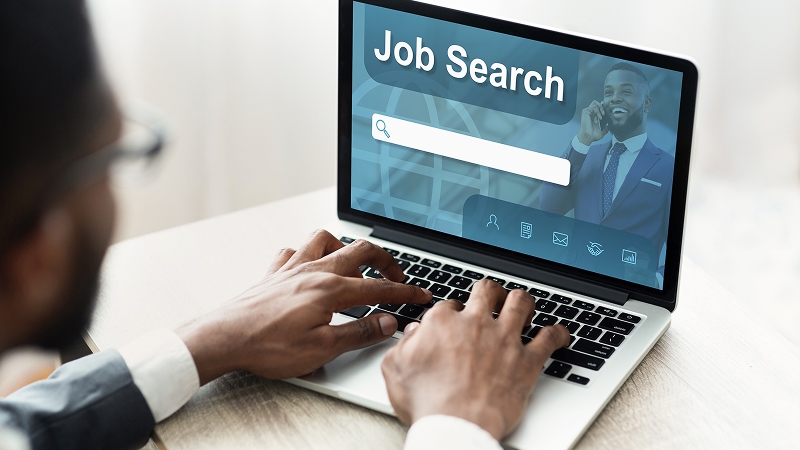
Scammers can create exciting and realistic job opportunities. Then they'll ask you to pay for training or equipment, promising to send you reimbursement check later. These checks often bounce, leaving you out the money.
Other times, scammers use the “job” to have you transfer stolen money or goods.
“I got a message on LinkedIn from a ‘recruiter’ at well-known tech company offering a remote position with a great salary. After I interviewed and they hired me, they sent a check to cover equipment costs.
I deposited the check and bought the equipment. But the check bounced, and the equipment never arrived. The recruiter and the company disappeared, leaving me unable to get my money back.”
A legitimate employer will never ask you to pay upfront or deposit a check and return the money. If they do, it's probably a scam.
Do an online search for their names along with terms like “scam” or “complaint.”
Scammers can make them look real before they bounce.
Remember, scammers use technology and social media to appear credible.
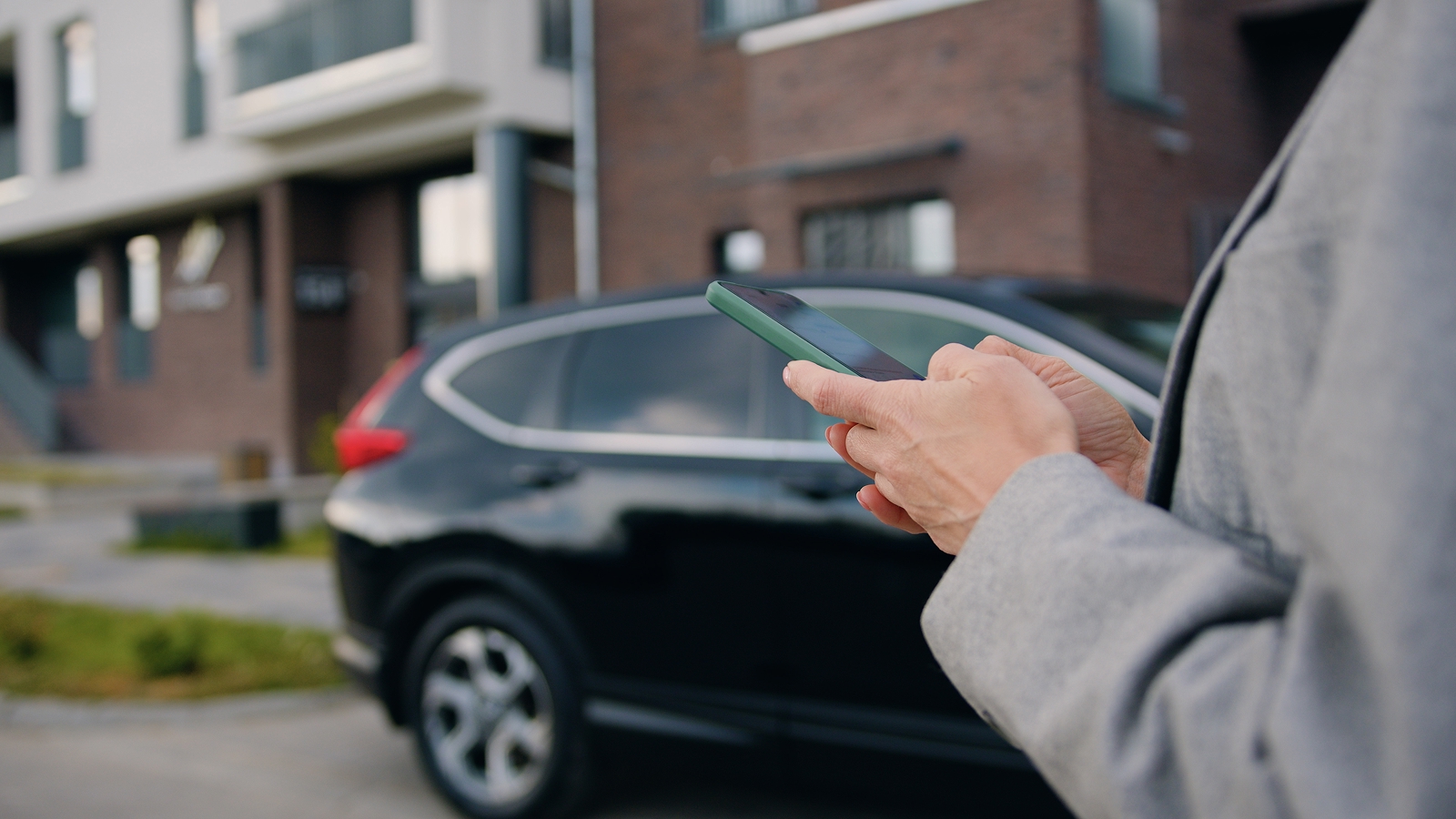
Scammers list a car for sale online, often at a price that’s much lower than market value. They’ll claim the car is in great condition and offer to ship it to you, even if you’re far away.
After you pay them, they disappear with your money without ever sending the car.
“I found a used car online that seemed perfect. It had low mileage, no accidents and a clean title. The seller was out of state, so I couldn’t see the car in person, but they offered to ship it to me.
I checked the VIN and reviewed their website. I had some doubts, but the deal was too good to pass up. I had my bank send the money the same day.
But then I never heard from the seller again. Their website vanished, and I was left with a car loan and no car.”
Check the dealer’s reputation and credentials through online reviews and state licensing boards.
If the seller pushes you to buy without letting you see the car first, that’s a red flag.
Be wary if the seller asks you to pay with a wire transfers, gift cards or in cash. These methods are common in scams.
Hold onto your trade-in until the new car is delivered. If your old car is gone, you’re more vulnerable to scams.
Use CarFax or AutoCheck to search for the car’s VIN, especially if you’re buying it from out of state.
Scammers pretend to be family members in danger or claim your loved one is in trouble. They use emotional manipulation and sometimes threats to make you act quickly without verifying the facts.
“I got a call from someone claiming to be my grandson. He said he was in a serious car accident and needed money for bail immediately.
The caller sounded panicked, and although his voice seemed different, I didn't think twice. He begged me to wire the money right away and not to tell anyone.
I sent the money because I was worried. But I found out later my grandson was never in trouble.”
Remember to stay calm and verify the situation.
Try calling their direct phone number or use another method you're sure about.
If you can't reach the family member who might be in trouble, the rest of your family might know more.
If they're claiming to be law enforcement or hospital, knowing the details can help you know what's real.
Find a special word or phrase only your family knows in case of emergency.
Scammers are pretending to be USAA and other companies using official-looking phone numbers or email addresses.
They say there's an account issue or ask for personal details to prevent fraud, but they're just trying to steal your money.
“I got a text from USAA about a suspicious charge. I said it wasn't mine, and they said the fraud department would call. Then I got a call that looked like it was from USAA.
The woman asked me to verify my details to secure my account. She said scammers had targeted me and I needed to transfer my balance right away.
She sounded legitimate, so I transferred the money. She hung up, and when I checked my balance, it was zero. I realized it was a scam.”
Be wary of unexpected calls or texts about account issues or requests for personal info.
Make sure you don't click links or call the numbers in these messages.
Find the company's real number on their official website or your statement.
Scammers take their time to build trust and become your friend before convincing you to invest in things like cryptocurrency, real estate or stocks. Once you're all in, they take off with your money and vanish.
“I met someone in a chat group for investors. We became friends, and they started sharing tips on a promising cryptocurrency. They showed me success stories and profits, which made it seem legitimate.
I tried a small investment on their recommended platform and saw some returns. So I put in more money.
But when I tried to pull out my money, the platform stopped working, and my ‘friend’ vanished. It was all a scam.”
Always be wary of anyone offering unsolicited investment advice, even if they seem friendly and trustworthy.
Research the platform you're investing on and the person who told you about it.
Take your time to make up your mind, especially if you're promised high returns with low risk.
You might want to talk to a licensed financial advisor before committing to anything.
Scammers say you've won a big prize, but then demand fees, taxes or personal details to claim it. But you never get the “prize.”
“I got a call saying I won $2 million in a lottery I never entered. They said I needed to pay some small fees for taxes and legal stuff before claiming the prize.
The caller was convincing, so I called my bank to set up a wire transfer. Luckily, the bank representative asked why I was sending the money.
That made me pause and do more research. Turns out, the same scheme had scammed other people too. I was lucky I stopped before losing any money.”
Be wary of any message or call claiming you've won a lottery or sweepstakes, especially if you didn't enter.
Never send money or give personal details to claim a prize. Real lotteries won't ask for upfront fees or taxes.
Scammers use your love for pets to trick you into paying for animals that don't exist. They post cute pictures of puppies or kittens and offer them at great prices.
Then they ask for money upfront for shipping or vaccines. But once you pay, the pet never arrives, and the scammer disappears.
“I found an adorable Frenchie puppy on social media at a great price. The seller said the puppy was still available but was in another state. It seemed real at first.
I wired money for shipping, but then they asked for more for shipping insurance. I was worried but didn't want to lose the puppy, so I sent more money.
After that, the seller stopped talking to me. I didn't get the puppy that I had my heart set on, and I also lost a lot of money.”
Insist on meeting the pet in person or on a video call before making any payments.
If you pay with wire transfers, gift cards or peer-to-peer apps like Zelle®, you can't get your money back.
Look into the breeder or rescue organization by checking their reviews or contacting local animal welfare agencies.
If it seems too good to be true, it probably is. Discounted purebred puppies are often a red flag.
Scammers create fake profiles and use emotional manipulation to build trust. Then they ask for money once you're deeply involved in the relationship.
“I met someone online, and we quickly built a deep emotional connection, even though we never met in person. They were super thoughtful and kind, messaging me daily and sharing their life.
After a few months, they said they were down on their luck and asked for a little money. Then the requests got bigger and happened more often.
My daughter noticed the transfers, which made me investigate. I found out they used stolen photos, and it was a scam all along.”
Be careful about people you meet online who build fast emotional connections.
Never send money to someone you haven't met in person, no matter how convincing they are.
Scammers will either avoid video calls or cancel them at the last minute.
They'll sometimes have elaborate excuses for not being able to meet.
Scammers pretend your computer is infected and offer to “fix” it if you give them access to your computer.
Then they could install harmful software, steal your personal financial information or charge you for unnecessary services.
“I was browsing online when I got a pop-up that said my computer has a virus. Panicked, I called the number.
A ‘technician’ told me someone hacked my computer, and they needed remote access to fix it. They claimed to find multiple viruses and charged me hundreds of dollars for software.
Later, I realized the pop-up was fake. I had lost money, and they had access to my files and personal data.”
Remember, legitimate companies won't send unsolicited virus warnings.
If you get a pop-up or a call saying your computer is infected, don't do the things it's telling you to do.
Call the company using their official number on their website. They can tell you if the warning is real or not.
Scammers are impersonating financial institutions, including USAA. You can report unusual calls, texts, emails and links to abuse@usaa.com.
We’ll walk you through next steps and get you the help you need.
If you notice any unusual activity, let us know immediately by calling 800-531-USAA (8722). Or you can read how to report fraud online.
You won’t be responsible for any unauthorized charges on your USAA Bank credit card or debit card that you report to us.
Install security patches. Set your device to install app and system updates automatically if possible. These updates often include security fixes.
Use antivirus software. Scan your storage devices and remove any malware. Or you can install an application that specializes in removing spyware.
Get professional help if needed. If possible, save important files and applications on an external storage device before you drop off your computer.
Act quickly by following these steps.
Learn about our 24/7 security and fraud monitoring and other ways we help you.
Get tips for protecting your accounts and personal information.
Stay safer with multifactor authentication, biometrics and more.